
By Ming Zhuang
In a country often described as centralized and hierarchical, local governance in China reveals subtle forms of citizen engagement. Ming Zhuang, Chairperson of ICSEP, recently published an article titled “Participatory Budgeting and Consultative Governance in Contemporary China” in Financial Journal. In this piece, Zhuang looks at how local governance in China—despite the country’s reputation for being centralized and top-down—has begun to open small but meaningful channels for citizen involvement. Drawing on examples from cities like Jiaozuo, Shenzhen, and Chengdu, the article explains how participatory budgeting (PB) offers ordinary residents new ways to voice their opinions and engage with public decision-making, even as these activities remain closely guided by existing political institutions.
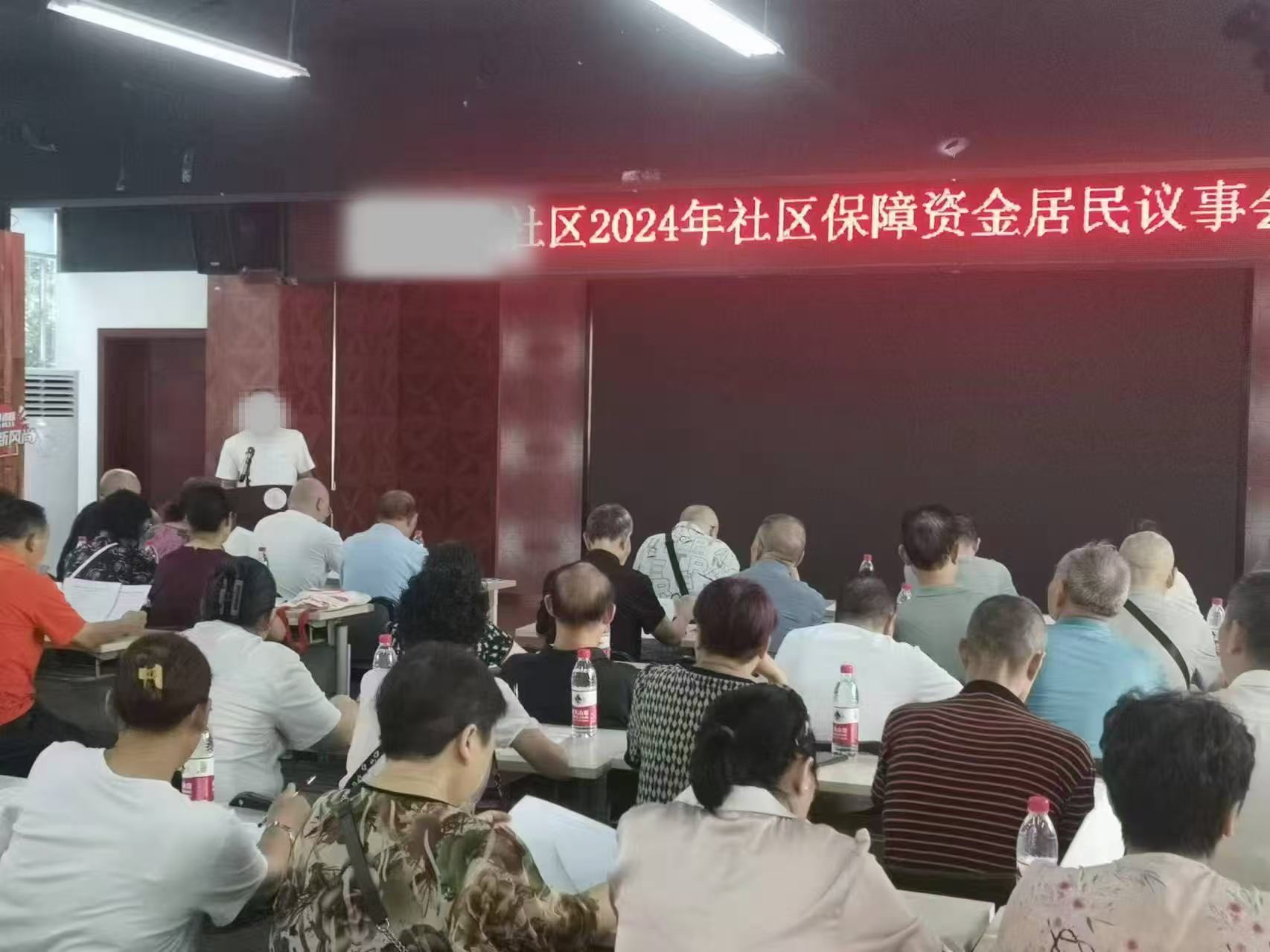
In Jiaozuo, Henan, residents are invited to participate in budgeting decisions through hearings, project publicity, and public opinion surveys. These mechanisms allow citizens to voice their concerns and monitor project implementation, yet always within a framework supervised by formal institutions. Similarly, Shenzhen’s livelihood micro-projects have engaged tens of thousands of residents in online and offline consultations, collecting proposals, voting on priorities, and overseeing fund allocation. While these initiatives appear democratic in form, they remain aligned with government priorities, reflecting a careful balance between inclusion and administrative control.
Digitization has further transformed participation. In Chengdu and Wenling, online platforms allow residents to access fiscal information, submit proposals, vote, and evaluate projects. These technologies empower individuals who were previously excluded—such as women, the elderly, and children—to express their opinions directly. Yet, the use of digital tools does not remove political oversight; citizen input is processed, classified, and integrated according to government standards, ensuring that outcomes reinforce existing governance goals.
These experiments highlight what scholars describe as a hybrid model of governance—sometimes called “consultative authoritarianism.” PB initiatives are not primarily about transferring power to citizens; instead, they function as instruments to improve transparency, increase public satisfaction, and reduce potential social tension. By incorporating citizen voices, local authorities can gather practical feedback while maintaining centralized control.
The experiences of Jiaozuo, Shenzhen, Chengdu, and Wenling suggest that even under a one-party system, participatory models can create meaningful spaces for engagement. Yet, these practices also raise critical questions: to what extent can participation constrained by institutional and political limits be considered democratic? How can PB in China balance citizen input with administrative oversight?
As China continues to experiment with PB and digital governance, these local initiatives offer valuable insights for understanding the evolving nature of civic engagement. They reveal a system that is neither fully authoritarian nor fully democratic, but rather a carefully managed innovation—one that redefines what citizen participation can mean in a tightly controlled political environment.

The Author
Ming Zhuang is the Chairperson of ICSEP. He is also the Founder of the Social Equity and Participation Center (the former entity of the ICSEP) and a researcher at the local Academy of Social Sciences in China. He completed his PhD in Public Policy at Beijing Normal University. His major research and action area is citizen engagement, inequality, and public budgeting. Since early 2000, he has been introducing Participatory Budgeting into China and since 2008 has been engaged in PB policy research and making, capacity building, and tool development to promote and facilitate PB practices in the field.